https://grok.com/share/c2hhcmQtNQ_127dbdfd-06fa-445d-b3af-223b9aa6f03f
Growing Purslane: A Drought-Tolerant Superfood Weed
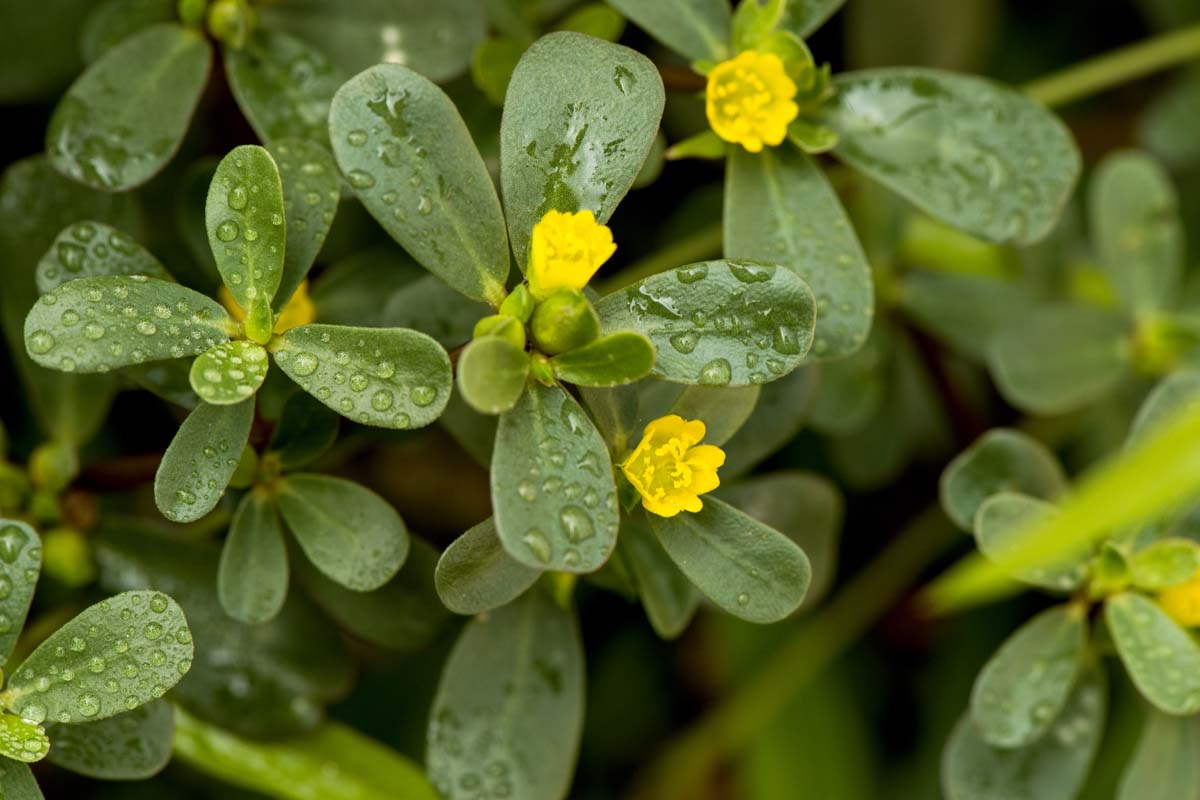
Purslane (Portulaca oleracea), often dismissed as a common weed, is actually a nutritional powerhouse that’s perfectly suited to hot, arid conditions. This succulent annual thrives in dry summers while self-seeding reliably for future years—making it an easy, low-maintenance addition to your garden.

Why Purslane Loves Hot, Dry Climates
Purslane is built for harsh conditions with scorching summers and low rainfall:
- Drought-tolerant: As a succulent, it stores water in its thick, fleshy leaves and stems, needing minimal irrigation once established.
- Heat-loving: It grows vigorously in full sun and poor, compacted soils.
- Low-maintenance: It spreads easily and acts as a living mulch, retaining soil moisture for other plants.

Surviving Cold Winters
The mature plants are frost-tender and will die back at the first hard freeze. In areas with sub-zero winter temperatures, the live plants won’t overwinter outdoors.
But here’s the good news: Purslane seeds are incredibly hardy. They survive freezing temperatures in the soil—often viable for 20–40 years—and germinate prolifically when spring warms the ground to 60–80°F. Let plants flower and set seed in late summer, and you’ll have a fresh crop sprouting reliably each year without replanting.


The Omega-3 Superstar
What sets purslane apart from most leafy greens is its exceptional omega-3 fatty acid content. It’s one of the richest plant sources of alpha-linolenic acid (ALA), the essential omega-3 typically found in fish.
- 100 grams of fresh purslane leaves provide 300–400 mg of ALA—far more than spinach or most other greens (up to 15 times more than iceberg lettuce in some comparisons).
- It’s also packed with antioxidants like vitamin E (six times more than spinach), vitamin C, beta-carotene, and glutathione.
This makes purslane a fantastic plant-based option for boosting heart health, reducing inflammation, and supporting overall wellness.


How to Grow and Enjoy It
- Planting: Sow seeds directly in spring after the last frost, or let it self-seed.
- Harvest: Pick young leaves and stems throughout summer—they have a mild, lemony flavor with a crunchy texture.
- Uses: Add raw to salads, sandwiches, or smoothies; sauté, stir-fry, or pickle for cooked dishes.
Purslane isn’t just surviving in tough conditions—it’s thriving. Embrace this resilient “weed” for free, nutritious greens that return year after year with virtually no effort.


